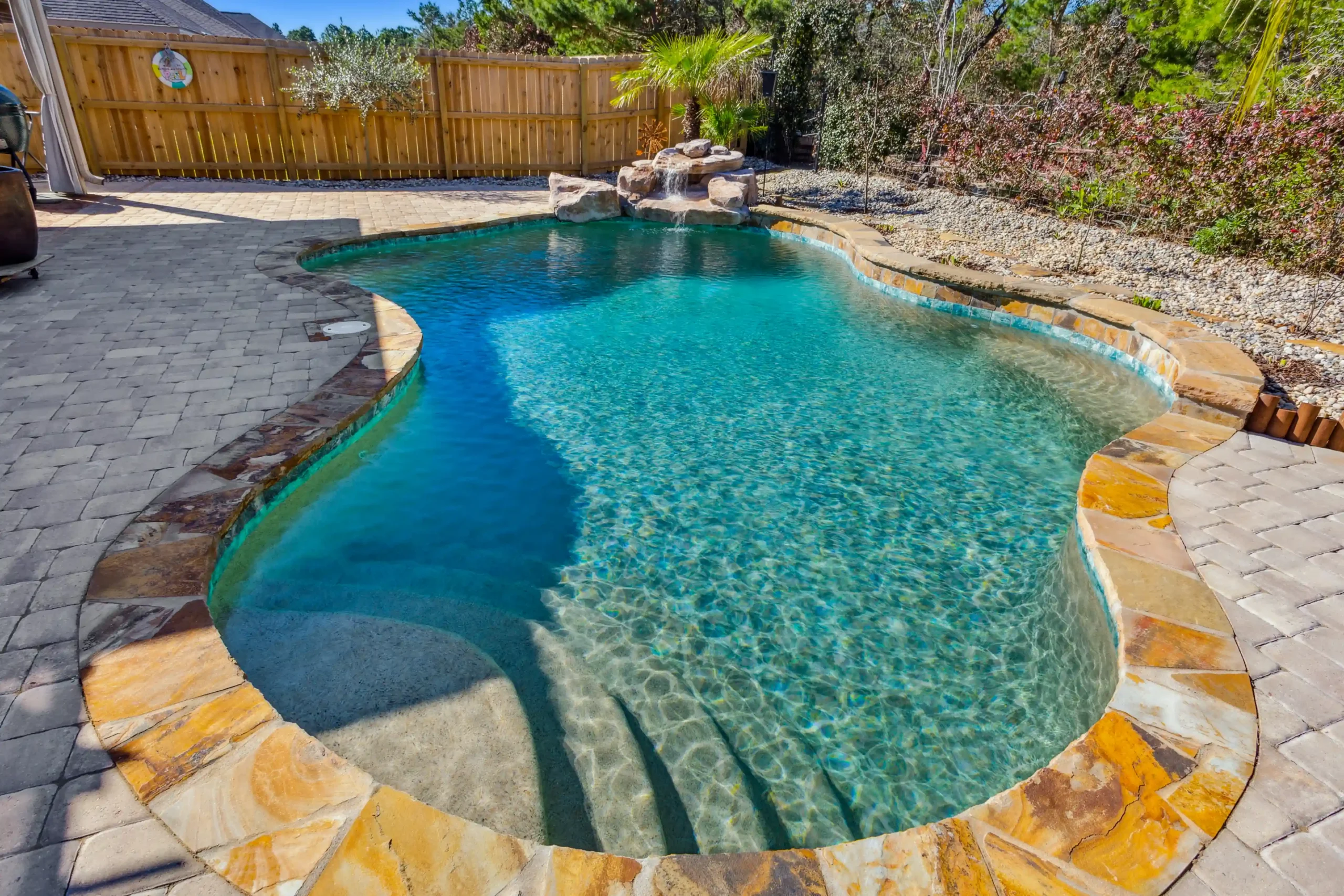
You’re living the Florida dream if you can build a pool on your property. It’s one of the best investments homeowners in the state can make, both for quality of life and for ROI should they ever sell their home. But even though pools are commonplace, something surprising can impact your pool construction: the soil.
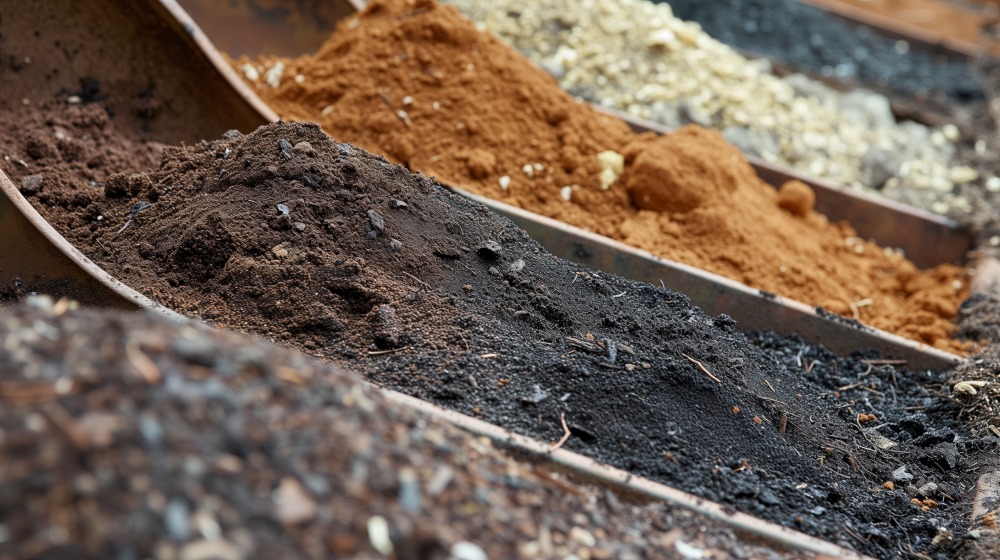
How complicated can the soil in Florida really be? Most would assume it’s not too different from elsewhere in the country, except for some large stretches of sand. Yet Florida has a diverse mix of sand, clay, and limestone in the soil, and all of these interact with the state’s notoriously high water table.
Here’s a look at what your soil type means for your upcoming pool excavation and why it makes choosing a local pool builder crucial for Florida homeowners.
How Florida’s Soil Types Impact Pool Construction
Florida soil is the result of millions of years of marine life decomposing, eventually becoming the foundation that makes up everything from vast beaches to your very own backyard. Pile that on top of multiple layers of sand, silt, and clay, and one area of the same city might have a completely different soil composition than another.
Because of this, it’s vital to know how the various types of soils in Florida can impact your pool building project. These nuances almost always demand a tailor-made approach to building a new pool. That’s why custom pool designs are so beneficial for Florida’s homeowners.
Sand
Sand sounds like a dream to work with. If you’ve ever made a sand castle, you know that sand is easy to move and dig, and it shouldn’t require the heavy equipment that other soil types demand. But carving out a moat around your sand castle and getting custom pool construction are two very different things.
Sandy solids are highly susceptible to erosion and can be more unstable than other soil types, especially when wet. Contractors need to ensure that there are proper shoring and retention systems in place to prevent the sides from collapsing. Professional pool builders are generally familiar with their options to prevent this, but that type of experience is guaranteed only if you’re using a local building company.
Companies that don’t have long-term experience building in Florida might struggle with sandy soil. They won’t necessarily know to install retaining walls to ensure a stable structure, causing major delays and higher costs to the project.
Clay and Silt
Clay’s issues are probably much more obvious than sand’s. Clay is more of a problem if you’re building a pool inland, where pockets of clay and silt are common. These pockets are more stable than sand when they’re dry. But much like sand, the difficulties spiral out of control when the clay gets wet.
Clay swells and holds water, making excavation a sticky mess for contractors. Builders need the right machinery to cut through these clay pockets. They should also have a plan to combat moisture, particularly if there’s rain in the forecast during excavation. Without these proactive measures, the soil can become unworkable, causing major setbacks or requiring additional labor to keep things on track.
Excavation isn’t the only time when clay can be problematic for pools. Contractors should consider clay-rich soil in the final design so they can engineer it to withstand shifting. Much like wood, clay can expand and contract with moisture, so pool construction should account for this natural movement in the soil.
Limestone
Limestone is one of the most challenging soil elements to manage during excavation. This issue comes down to karst topography, a unique phenomenon that could cause sinkholes if there’s too much disturbance to the limestone. Because there are few things more disturbing to the ground than excavation, this is a serious concern for pool builds.
This is one of the primary reasons no digging should start without a comprehensive soil report. These reports are an analysis of the soil, detailing everything from the type to the depth of the water table. But most importantly, these reports mention any unstable limestone foundations. This allows the designers and builders to create a foundation that’s entirely stable and won’t disrupt the surrounding soil.
Handling the Specifics in Florida Soil Reports
Soil reports are not optional if you’re building a pool in Florida. They’re essential if you want to keep your investment safe and secure. These reports come from a professional geotechnical engineer and provide context for the contractors to help mitigate risks during the build.
One of the most common ways to mitigate risks is through a process called dewatering. This method is often employed in areas with high water tables (like Florida), It involves using a series of pumps and trenching systems in the excavation site to keep it clear of excess water. Without this, the high water table can put too much pressure on the shell and cause damage before the pool is even filled.
Foundation reinforcement is another common approach, regardless of what kind of soil you have. This is usually done through special structures that help anchor the pool in unstable ground. These kinds of reinforcements are vital in Florida, since both limestone concerns and overly soft soil can cause stability issues.
The solutions sound relatively simple, and many of them are, provided you work with an experienced and local company. Florida’s soil is workable — there wouldn’t be so many residential pools around if it weren’t. But if you hire a company that doesn’t have enough experience working locally, the builders may not even realize just how important these considerations are to the project’s success.
Make sure you hire Florida professionals, ideally with experience working with custom pools, to increase your chances of having a catastrophe-free pool construction. Talk with your contractor about the potential challenges your soil brings, and see if they have any recommendations to make the process easier and less expensive.
Expert Excavation From Local Pool Professionals
Blue Haven Pools on the Gulf has worked with countless Florida homeowners to make their dream pools reality, no matter what their soil reports turned up. Learn more about our design and construction process and schedule your appointment by contacting us today!