
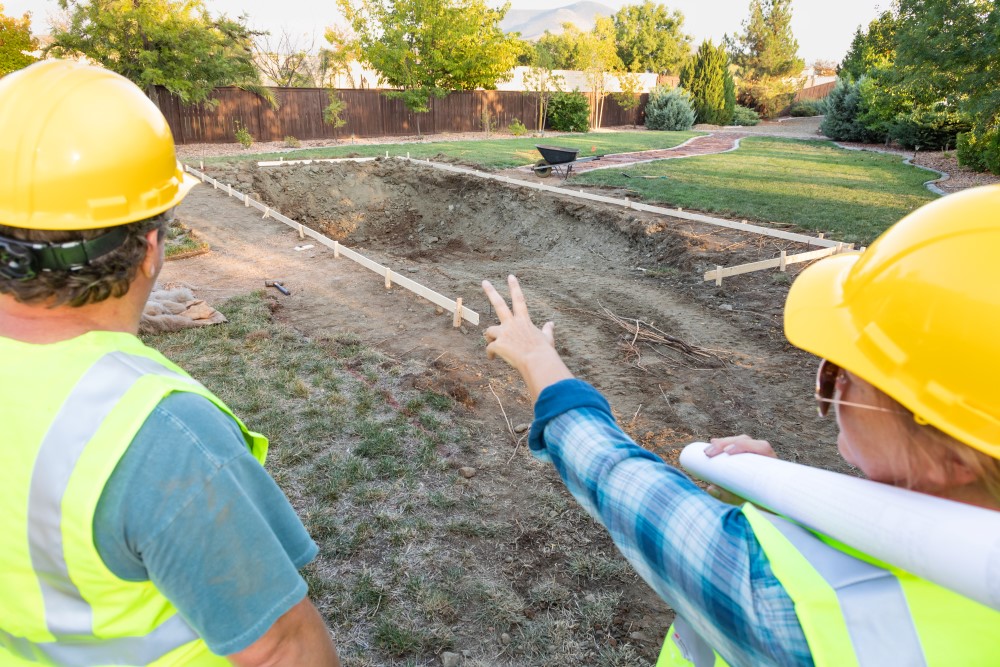
It’s easy to get excited about building a new pool. Your mind is swimming with thoughts about pool parties and wading away the dog days of summer, soaking in the Florida sun. Don’t let this burst your bubble, but remember that before the fun can begin, you’ll have to familiarize yourself with swimming pool code requirements.
This part is not nearly as glamorous as designing a waterfall or beach entry, but pool code requirements are the design elements and concepts that will keep you safe. Here’s what you need to know about local pool codes and why they’re so important.
The Point of Pool Codes
Florida’s pool codes are in place to ensure that pool builders and owners prioritize safety, especially for young children. While keeping all of the rules might feel like you’re having the book thrown at you in the middle of building your dream pool, these codes are meant to save lives.
There are also obvious benefits in building something compliant: keeping your property value up, stopping insurance headaches in their tracks, and avoiding fines. Many of these stipulations can also help guarantee you a pool with a proper installation and structural integrity. Making sure your swimming pool is safe is necessary and is actually more cost-effective in the long run.
Code Requirements for Residential Pools
Now that you have a better understanding of why safety requirements are there, it’s time to learn what they are. Here are the details that most local regulations deem important or even necessary if you’re building a new pool.
Consider Safety Features and Pool Barrier Requirements
When you build a pool, you’re also building a barrier. That’s the rule. It’s all about keeping people safe, especially curious kids who might wander too close without supervision
The barrier can be anything you like, provided it’s an approved structure, like fencing or walls. A safety barrier also needs to be at least 48 inches (four feet) tall to deter kids, who may not even know how to doggy paddle.
It doesn’t stop there. Gates must self-close and self-latch, and the latch needs to be 54 inches from the ground. They also need to be climb-proof to discourage anyone from attempting to go over the top. And finally, if the pool is close enough to your home, every door or window leading to the pool area needs added safety features, like locks or an alarm.
Focus on Electrical Safety
Everyone already knows that water and electricity don’t mix. You want to get this right, and the National Electrical Code (NEC) is here to help you.
The NEC requires that all wiring and equipment for the pool be installed by a licensed electrician. Doing electrical work yourself is already dangerous, but you’re asking for trouble if you attempt it in wet locations, and you’re also going against Florida code.
Another interesting requirement is that every metal component in your pool needs to be bonded together, including ladders and rails. This helps stop stray electricity from turning your pool into a hazard.
All outlets within the range of the pool (usually around twenty feet) need ground fault circuit interrupter (GFCI) protection. You probably have these in areas of your home where water can pose an electrical risk, like bathrooms. This protection automatically cuts the power if there’s a problem, greatly lowering the chances of electrical shock.
Include Proper Plumbing and Drainage
If you don’t want the rest of your yard to turn into a pool, then you’ll want to pay attention to Florida’s pool code.
A good example is the proper use of backwash systems. When you backwash your system, you can’t just dump the dirty water anywhere; your plumbing needs to send it to an approved area that aligns with local code. You also want a pool builder to install proper grading and drainage. This keeps water away from the outside of your pool and home.
The Permit Process
The next step in the process is probably not your favorite, but it’s necessary: the paperwork. Every city and county has its own methods, so the level of complexity you will experience trying to get a permit will vary.
Most places will start the process by requiring detailed specs and plans for the build. This is to make sure you know the requirements and aren’t planning to just dig a hole and fill it with water.
Once your plans get the green light, the authorities will usually follow up with an inspection. Inspections can happen multiple times and at varying stages in construction, and they are not optional.
Final approval is the moment you’ve been waiting for. This is when you’ll get your official go-ahead to fill it up, don your floaties, and lounge in your brand-new dream pool. But if you don’t pass? You’ll get a list of what needs to be changed before you can use it.
So how do you avoid getting slapped with a formal to-do list? You hire the right pool builder.
How Your Florida Pool Builder Can Help
Hiring a pool builder isn’t just about building and designing a custom pool. It’s about hiring experts who understand every aspect of the construction process, including securing permits and deciphering local codes. That’s part of their job description.
Professionals are there to help you navigate the often head-spinning world of pool building. They can provide insight on the right barriers, electrical, plumbing, and even building materials to ensure your swimming pool is compliant right from the beginning of the design phase.
Additionally, they can take the permit handling off your plate. They’ll secure the right documentation while also taking care of all of the inspection scheduling. This way, you don’t miss a single step in the process, and if any issues with regulations arise, they can be resolved long before the project wraps up.
Crack the Code With Blue Haven Pools on the Gulf
You can do even more research to learn the ins and outs of Florida pool code requirements — or you can save yourself the time and stress by passing it off to our experts. Contact us today to speak with a professional about all the ways our pool builders make the process as simple as possible.